
Arabian Prince is an American rapper, DJ, and record producer whose work helped shape the early sound of West Coast hip-hop. Born Kim Renard Nazel, he became part of the original lineup of N.W.A., one of the most influential groups in rap history. While many listeners associate the group with gangsta rap, Arabian Prince brought a different musical perspective through electro, funk, electronic beats, and dance-oriented production. His contributions included work on early N.W.A. recordings, as well as production for other artists during the rise of Los Angeles hip-hop. He eventually left the group and continued building a career through solo releases, production, technology, and creative projects.
Although his name is sometimes overlooked in discussions of N.W.A., his early work offers a broader picture of how the West Coast rap scene developed.
Quick Bio
| Detail | Information |
|---|---|
| Full Name | Kim Renard Nazel |
| Stage Name | Arabian Prince |
| Known For | Rap, DJing, music production, and early N.W.A. membership |
| Famous Connection | N.W.A. |
| Relationship | Original member and musical contributor |
| Profession | American rapper, DJ, producer, and entrepreneur |
| Birth Date | June 17, 1965 |
| Birthplace | Southern California; sources differ between Compton and Inglewood |
| Nationality | American |
| Children | Not reliably documented in authoritative public sources |
| Education | Not reliably documented in authoritative public sources |
| Current/Public Status | Continues to be associated with music, technology, and hip-hop culture |
Who Is Arabian Prince?
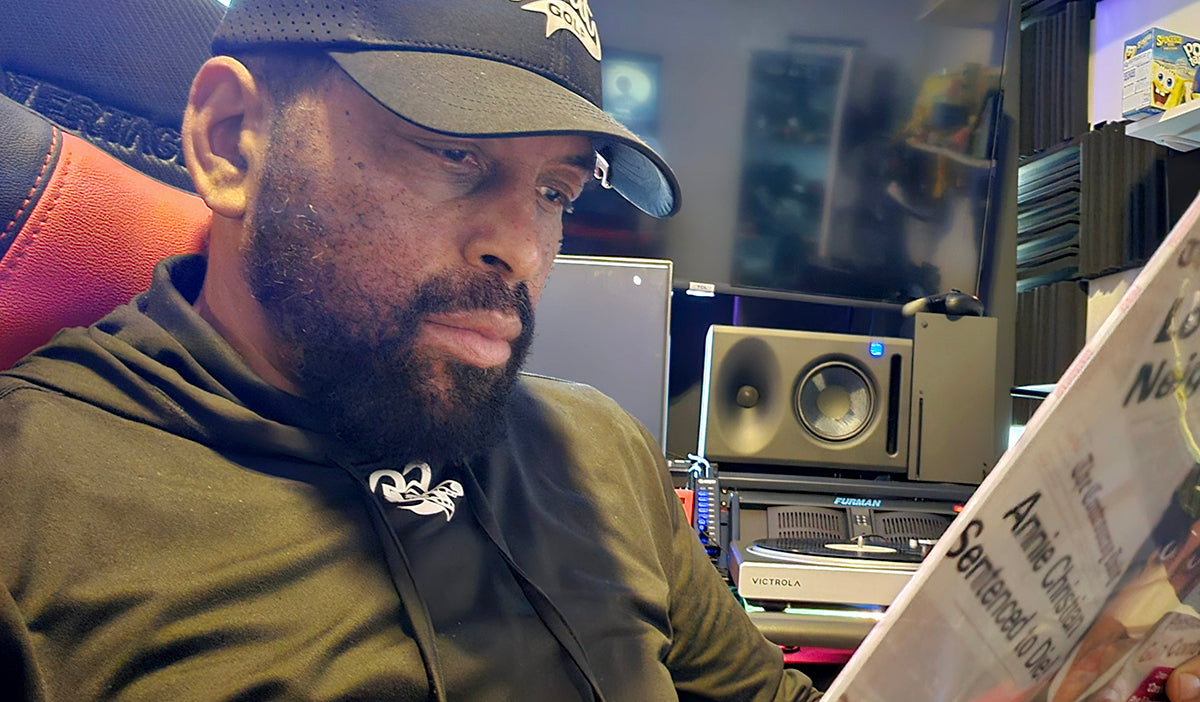
Arabian Prince is an American recording artist whose career began before West Coast gangsta rap became a major commercial force. His music drew heavily from electro, funk, electronic instruments, and the dance-oriented hip-hop sounds developing in Los Angeles during the early 1980s.
His real name is Kim Renard Nazel, and he became involved in music at a young age. Rather than concentrating only on rapping, he developed skills as a DJ and producer. This combination allowed him to experiment with drum machines, synthesizers, and electronic arrangements at a time when those sounds were becoming increasingly important to hip-hop.
Arabian Prince is particularly remembered for his connection to N.W.A. However, his career was never limited to that group. He had already established himself in the Los Angeles music scene through DJ performances and recordings, and he continued working independently after leaving the collective.
His story is important because it highlights a side of early West Coast hip-hop that sometimes receives less attention: the influence of electro music, club culture, and electronic production on the region’s developing rap sound.
Arabian Prince’s Early Interest in Music and Technology
Arabian Prince’s interest in music developed during his childhood. His family environment exposed him to different musical influences, including classical music, funk, and electronic sounds. These experiences helped shape his interest in creating music rather than simply listening to it.
He also developed an early fascination with technology. In interviews, he has discussed his interest in electronic equipment, computers, and musical devices. That curiosity later became a defining part of his production style.
During his early teenage years, he began making mixtapes and exploring opportunities to DJ. His father’s connection to radio also gave him access to an environment where he could observe how music was selected and presented. He gradually developed a reputation within the local scene as someone who understood both music and equipment.
This technical interest became particularly useful as affordable drum machines and synthesizers started changing how young producers created hip-hop. Arabian Prince embraced those tools and used them to build energetic tracks that stood apart from more traditional rap arrangements.
How Arabian Prince Built His Reputation in Los Angeles
Before joining N.W.A., Arabian Prince was already active in the Los Angeles music community. He performed at school events, skating rinks, clubs, and other local venues. These performances helped him connect with DJs, producers, and emerging artists.
His sound was closely associated with the electro movement, which blended hip-hop rhythms with electronic percussion, synthesizers, and funk-inspired arrangements. The style was especially suited to dance floors, and it helped establish a distinct identity for Los Angeles hip-hop.
Arabian Prince also worked with other local performers, including Egyptian Lover and members of the World Class Wreckin’ Cru scene. These connections placed him among the artists experimenting with the musical direction that would later influence the wider West Coast rap movement.
His reputation came from more than his stage performances. He was also developing production skills and learning how to create records that could work in clubs and on radio. By the middle of the decade, he had become a recognizable figure in the local scene.
His Work With Bobby Jimmy & the Critters
One of Arabian Prince’s early professional connections was Bobby Jimmy & the Critters, a comedy rap group associated with Los Angeles radio personality Russ Parr.
The project gave Arabian Prince an opportunity to work on recordings that combined humor, rap performances, and entertaining production. It also helped him gain experience in the studio and develop relationships with people working across the local music industry.
These early projects are significant because they show that his involvement in hip-hop began before N.W.A. became nationally recognized. He was already experimenting with different musical ideas and contributing to the growth of local rap.
His work during this period also reflected the playful and dance-focused side of early hip-hop. That approach would remain an important part of his identity, even as the genre moved toward harder and more confrontational sounds.
Arabian Prince and the Success of J.J. Fad’s “Supersonic”
Another major milestone in Arabian Prince’s career came through his work with J.J. Fad. He helped produce the group’s influential track “Supersonic,” which became one of the memorable electro-rap records of the late 1980s.
The song stood out because of its energetic rhythm, electronic production, and distinctive vocal delivery. It captured the dance-oriented character of the Los Angeles scene while demonstrating how electronic sounds could be used effectively in rap music.
“Supersonic” became a major achievement for J.J. Fad and helped strengthen Arabian Prince’s reputation as a producer. The record also received renewed attention years later when its recognizable musical elements were sampled for Fergie’s song “Fergalicious.”
For Arabian Prince, the project represented more than a successful production credit. It showed that his musical ideas could reach audiences beyond the immediate Los Angeles scene. It also reinforced his position as a creative figure who understood the relationship between technology, rhythm, and popular music.
Why Arabian Prince Joined N.W.A.
Arabian Prince became part of N.W.A. during the group’s early development in the late 1980s. The collective brought together artists with different strengths, including rappers, DJs, and producers who were interested in creating a new sound for West Coast hip-hop.
His previous experience in the Los Angeles music scene made him a valuable addition. He had already built connections, released music, and developed production skills. His background in electro and electronic music also gave the group a different musical dimension.
N.W.A. was developing a style that combined direct storytelling, aggressive performances, and distinctive production. Arabian Prince’s contribution helped reflect the broader range of musical influences present during the group’s early period.
He appeared on the group’s early release, N.W.A. and the Posse, and contributed to the recording “Panic Zone.” His involvement placed him among the artists who helped establish the collective before its most famous lineup became widely recognized.
Who Was N.W.A.?
N.W.A. was an American hip-hop group formed in the Los Angeles area in the late 1980s. The collective became famous for its uncompromising lyrics, social commentary, and influential approach to West Coast rap.
Its best-known members included Eazy-E, Dr. Dre, Ice Cube, MC Ren, and DJ Yella. Arabian Prince was also part of the group’s original lineup and contributed to its early musical development.
The group’s 1988 album Straight Outta Compton became a landmark release. Its impact extended beyond music, influencing conversations about censorship, policing, race, and freedom of expression. N.W.A. helped bring West Coast hip-hop to a much larger audience and influenced generations of rappers and producers.
Arabian Prince’s connection to the group matters because he was involved during its formative period. His musical background represented an important part of the early Los Angeles sound, even though he departed before the group’s most commercially successful years.
His Contributions to N.W.A.’s Early Music
Arabian Prince’s role in N.W.A. included recording and production contributions. One of the most notable examples is “Panic Zone,” a track associated with the group’s early recordings and the N.W.A. and the Posse release.
His musical approach was different from the harder sound that later became closely associated with N.W.A. He brought experience with electronic arrangements and dance-oriented rhythms, helping demonstrate that the group’s early identity was not built around one musical style.
He also contributed to the group’s wider recording environment during its early period. Although the later success of Straight Outta Compton often dominates discussions of N.W.A., the collective’s development involved several artists and musical influences.
Arabian Prince’s presence is a reminder that the group’s early history was more varied than its later public image might suggest.
Why Did Arabian Prince Leave N.W.A.?
Arabian Prince eventually left N.W.A. after disagreements concerning business arrangements and payment. He has discussed his concerns about royalties, financial statements, and compensation for the group’s work.
In interviews, he explained that he was already familiar with the music business through his solo activities. He therefore expected clearer accounting and a fair understanding of how the group’s earnings were being distributed.
The disagreement became a turning point in his career. His departure meant that he was no longer part of the lineup during the period when N.W.A. reached its greatest commercial success.
It is important not to reduce his decision to personal drama or assume details beyond what he has publicly discussed. His own explanations have focused on business and financial concerns.
Leaving the group did not end his career. Instead, he returned to independent work and continued exploring music and other creative interests.
Arabian Prince’s Solo Career After N.W.A.
After departing from N.W.A., Arabian Prince focused on his solo career. In 1989, he released Brother Arab, an album that reflected his interest in electro, funk, and dance-oriented hip-hop.
The project allowed him to develop a musical identity outside the group. While N.W.A. was becoming increasingly associated with gangsta rap, Arabian Prince continued working with sounds that reflected his earlier interests.
One of his solo tracks, “She’s Got a Big Posse,” received attention on the rap charts. His music offered an alternative perspective on the West Coast scene, emphasizing rhythm, electronic textures, and club-friendly production.
He later released Where’s My Bytches in 1993. Although his solo career did not reach the same mainstream visibility as some former N.W.A. members, his recordings remain part of the history of early electro-rap.
His independent work also demonstrates that he was interested in maintaining creative control over his music.
Professor X and His Other Creative Projects
Arabian Prince has also used the name Professor X for some of his later musical projects. This identity allowed him to explore electronic music and production in ways that connected with his long-standing interest in technology.
His later releases attracted attention from listeners interested in underground electronic music and the development of early hip-hop. The Professor X material also demonstrated that he was not simply revisiting the sound of his earlier career.
Arabian Prince’s creative interests have extended beyond recording and performing. He has been involved in technology-related work, including computer graphics and visual effects. His work in this area reflects the same curiosity about equipment and emerging tools that influenced his early musical development.
This combination of music and technology makes his career different from that of many artists who became known primarily as rappers.
Arabian Prince’s Work in Technology and Business
Arabian Prince has described himself as someone who has always been interested in technology and innovation. During the 1990s, he moved into areas outside the traditional music business, including special effects and 3D animation.
His company, Hypnotx FX, was part of this professional direction. The move demonstrated that he was willing to apply his technical interests to other creative industries.
Technology was not a completely separate interest from his music career. His early adoption of drum machines, synthesizers, and computers had already influenced the way he approached production. Later work in digital media allowed him to continue exploring those interests in a different professional environment.
This side of his career is important because it helps explain why Arabian Prince’s identity extends beyond his N.W.A. membership. He has consistently shown an interest in the tools and technologies that shape creative work.
Arabian Prince’s Influence on West Coast Hip-Hop
Arabian Prince’s contribution to West Coast hip-hop is closely connected to the period when Los Angeles artists were experimenting with electronic sounds and new production techniques.
His early recordings helped demonstrate that rap music could combine electronic beats, funk influences, and dance rhythms without losing its identity as hip-hop. That approach became an important part of the region’s musical development.
His production work with J.J. Fad, early N.W.A. recordings, and independent releases provides a useful picture of the different directions West Coast rap was taking during the 1980s.
Although he is sometimes discussed mainly in connection with N.W.A., his earlier and later work deserves attention on its own. He was part of a creative generation that helped establish Los Angeles as an important center of hip-hop.
Where Is Arabian Prince Today?
Arabian Prince has remained connected to music and hip-hop culture through later projects, interviews, and industry activities. His public work has also included discussions about music technology, production, and the development of the global hip-hop scene.
In 2022, he was reported to be involved as an adviser to Saudi Arabia’s XP Music Futures event, where he contributed experience and perspective to discussions about the growth of the region’s music industry.
He has also continued to speak about the importance of technology and creative independence in music. These interests reflect themes that have been present throughout his career.
Detailed information about his private family life and day-to-day activities is limited in authoritative public sources. His public identity, however, remains closely tied to his work as an early West Coast hip-hop artist, producer, and technology enthusiast.
Arabian Prince’s Net Worth and Financial Life
There is no reliably verified public figure for Arabian Prince’s current net worth. Some entertainment websites publish estimated figures, but these numbers are not supported by publicly available financial statements or authoritative disclosures.
His career has included several potential sources of income, such as music releases, production work, DJ performances, creative projects, and technology-related business activities. However, the financial value of those activities is not publicly established.
His early involvement in N.W.A. and production work on “Supersonic” are important parts of his professional history, but they do not provide enough information to calculate his present wealth.
For that reason, any exact net worth figure should be treated as an estimate rather than a confirmed financial fact.
Conclusion
Arabian Prince’s career offers an important perspective on the development of American hip-hop and the early Los Angeles rap scene. As an American rapper, DJ, and producer, he helped bring electronic sounds and dance-oriented production into the music that was taking shape on the West Coast.
His original membership in N.W.A. remains a major part of his public identity, but it represents only one chapter of his work. His contributions to early recordings, production for J.J. Fad, solo albums, and later technology projects reveal a creative career that continued beyond the group.
Although he is not always mentioned alongside N.W.A.’s most famous members, Arabian Prince played a meaningful role in the collective’s early history. His story also shows how experimentation, technical knowledge, and independent thinking helped shape the foundations of West Coast hip-hop.
FAQs
Who is Arabian Prince?
Arabian Prince is an American rapper, DJ, and record producer whose real name is Kim Renard Nazel. He is known for his early electro-rap recordings and his role as an original member of N.W.A.
Is Arabian Prince an original member of N.W.A.?
Yes. Arabian Prince was part of N.W.A.’s original lineup during its early development. He contributed to the group’s early recordings before leaving to focus on his own career.
Why did Arabian Prince leave N.W.A.?
Arabian Prince has explained that disagreements over business arrangements, royalties, and payments influenced his departure. He wanted clearer financial accounting for the group’s work.
What is Arabian Prince’s real name?
His real name is Kim Renard Nazel. He became known professionally as Arabian Prince through his work as a DJ, rapper, and producer.
What song did Arabian Prince produce for J.J. Fad?
He helped produce J.J. Fad’s “Supersonic,” an influential electro-rap record released in the late 1980s. The song later received renewed attention through its connection to Fergie’s “Fergalicious.”
Did Arabian Prince release solo albums?
Yes. His solo releases include Brother Arab in 1989 and Where’s My Bytches in 1993. These projects reflected his interest in electro, funk, and dance-oriented hip-hop.
What is Arabian Prince’s net worth?
His current net worth has not been verified through authoritative public financial information. Figures published by entertainment websites should be treated as unofficial estimates.
For More Updates Visit: Magazinegrid
